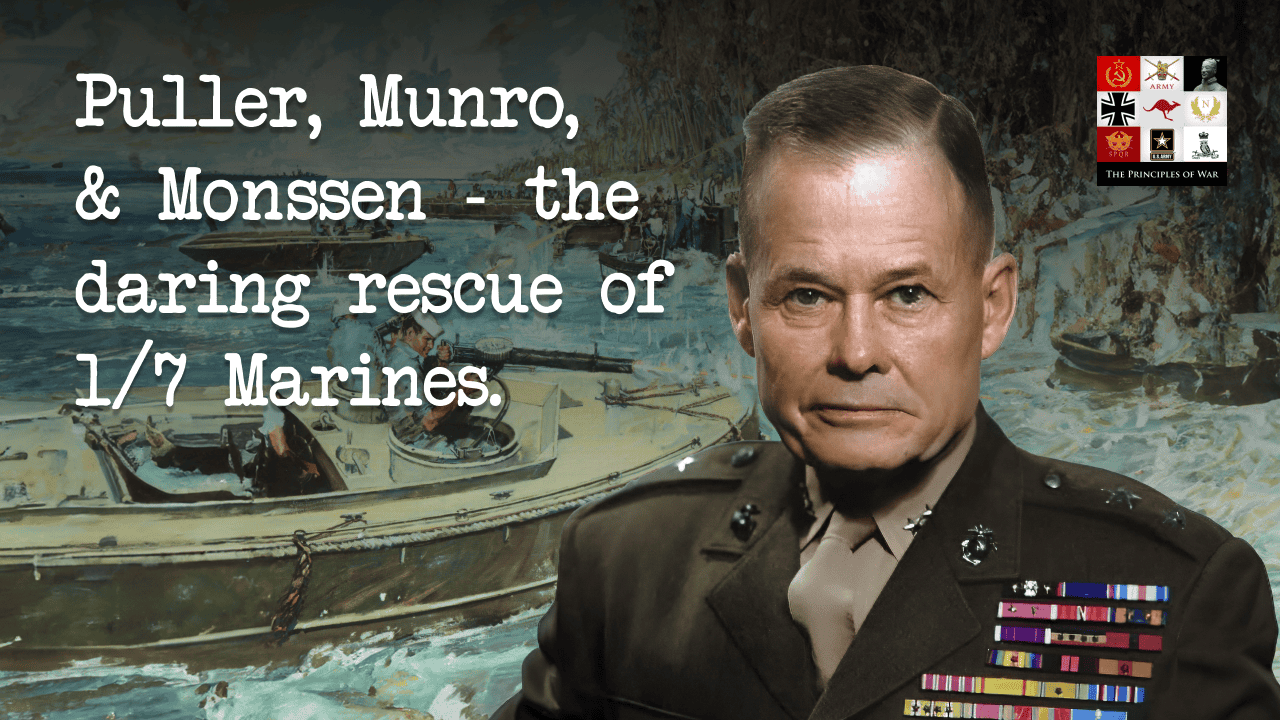





This is the eighth episode of our Guadalcanal series with historian and author Dave Holland. The episode covers the ‘Little Dunkirk’ evacuation after Marines were landed to the West of the Matanikau in an effort to outflank the Japanese defended the west bank of the river. Listen to the podcast for all of the details of the battle and the roles played by Chesty Puller and Douglas Munro during the Second Battle of the Matanikau – a battle where Command and Control failures would play a critical role.
Second Battle of the Matanikau: Lessons learnt from Guadalcanal
The Second Battle of the Matanikau River is an instructive small-unit action of the Guadalcanal Campaign. Fought along the rugged, west of Henderson Field and across the Matanikau River, it demonstrates the risks of rapidly executing a tactical plan with minimal planning and little preparation for contingencies. Flexibility is enabled in a plan with strong communications within units, between units and with other services. The 2nd Matanikau action lead to the ‘Little Dunkirk’ evacuation, and it demonstrates how an operation can unravel when communications fail, and the enemy reacts faster than expected.
Tactical importance of the Matanikau River
The Matanikau River is a major obstacle, a mobility corridor, and a gateway to the approaches around Henderson Field. Control of the river crossings and the river mouth mattered because it influenced movement for infantry, and later, the ability to shift heavier weapons and equipment. In short, whoever controlled the Matanikau had a stronger hand in shaping the fight around the airfield.
The Marine Plan and the Hidden Risk
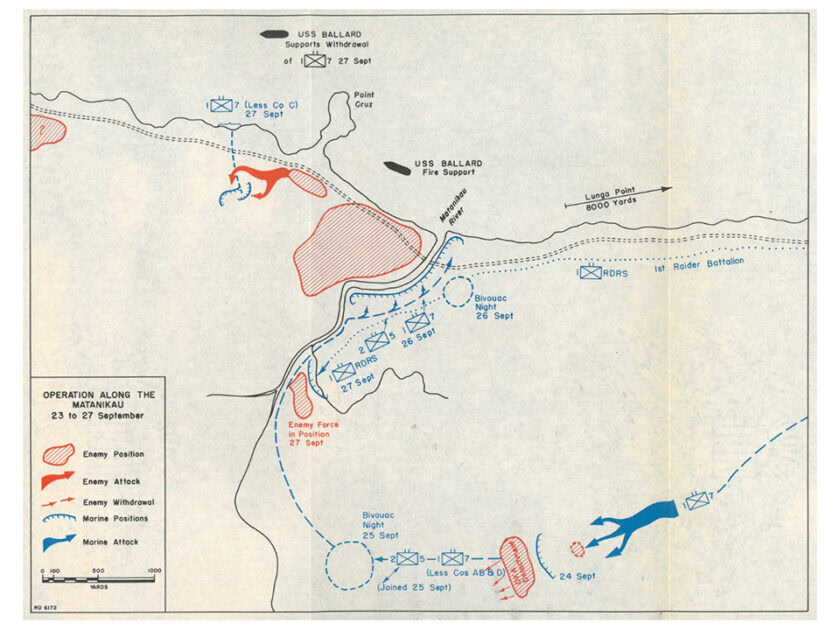
The Marine effort relied on coordinated movement and timing: a river crossing, pressure along constrained terrain, and supporting actions designed to outflank Japanese positions. The problem was that this kind of plan is very difficult to execute because of the difficulties in C2 in jungle warfare. Once coordination breaks down—whether from terrain, friction, or enemy interference—the concept of operations can collapse into separate fights without mutual support.
The Turning Point: Enemy Reaction and Isolation
As the action developed, Japanese forces anticipated key movement routes and established strong positions around bottlenecks near the crossing areas. This disrupted the assault’s momentum and drove a major shift: Marines attempted to create a lodgement west of Point Cruz by landing forces by boat. That manoeuvre introduced a dangerous vulnerability—an isolated element operating beyond reliable control and support.
Communications Failure: The Defining Problem
The battle’s defining feature is how communication failure magnified every other problem. With degraded command-and-control and unreliable reporting, leaders struggled to build an accurate picture of what was happening. Meanwhile, the lodgement force lacked effective communications at the moment it needed them most. Without reliable contact, coordinating support—especially naval gunfire—became difficult or impossible, turning a bold manoeuvre into a survival problem. Chesty Puller flagged down the USS Monssen as it was passing by – enabling better C2 and cooperation between the Navy and the Marines, especially for naval gunfire support and the evacuation.
Improvised Signals and the Fog of War
With radios unavailable, the trapped Marines resorted to improvised signalling methods to attract attention – white T-shirts spread out on a hill to spell “HELP” Contingency comms matter—and that in combat it is important to ensure a robust PACE plan.
Rescue and Withdrawal Under Fire
The recovery succeeded through decisive leadership and rapid joint support. Naval gunfire was brought to bear to suppress Japanese fires and create space for extraction. The evacuation itself was a complex amphibious withdrawal under contact—one of the hardest tactical operations—requiring courage, timing, and coordination between ground forces and naval assets. USCG Signalman Douglas Munro was awarded the Medal of Honor postthumously for his role in the evacuation that day.
Key Lessons for Military Professionals
For PME readers and students of the Guadalcanal Campaign, the Second Battle of the Matanikau offers three enduring lessons:
- No Comms, No Bombs. If communications fail, everything else becomes harder—coordination, fires, and decision-making.
- Plans must survive friction. Jungle terrain and enemy adaptation punish complex coord requirements. Build branches and contingencies for simple plans.
- Joint integration saves lives. Naval fires and maritime lift were decisive in preventing a tactical defeat from becoming a disaster.
Why the Second Battle of the Matanikau Still Matters
This battle is a practical leadership laboratory: initiative, miscalculation, friction, recovery, and joint cooperation all compressed into a short, brutal fight. For anyone studying Guadalcanal, U.S. Marine Corps history, or command-and-control in close combat, the Second Battle of the Matanikau is a reminder that communication and coordination are often the difference between success, stalemate, and catastrophe.
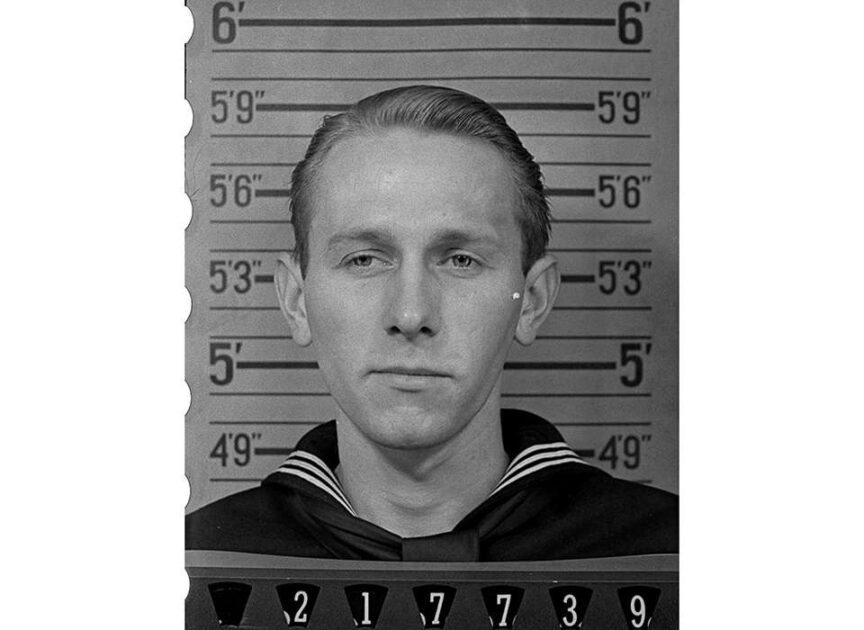
Dave Holland is an ex-Marine and was posted to Guadalcanal with the Australian Federal Police. He regularly leads battlefield study tours through the area. He is a world-leading expert on the battles of Guadalcanal and author of Guadalcanal’s Longest Fight – The Pivotal Battles of the Matanikau Front.
https://www.patreon.com/cw/principlesofwar – if you’ve learnt something from this episode and you can afford it, please support the podcast at Patreon.
Great Professional Military Education for your Unit. This episode covers C2, Littoral Manoeuvre and naval support to land operations.


